Leading Forward
A new season marked by strategic vision, growth, and a fresh commitment to developing the next generation of leaders is on the horizon for the Texas Louisiana Hispanic Network (TLHN) of the Assemblies of God.
Originally the Gulf Latin District, in 2010, the region was divided into four separate districts to accommodate growth and to foster more intimacy between church leaders and district officials in similar geographic regions.
The TLHN oversees ministries across the Houston, Austin, and San Antonio areas of South Texas, as well as the entire state of Louisiana. Since becoming a smaller network, many church plants launched in earlier years are now thriving, thanks to the more personalized support from a network that is now able to offer an increased hands-on approach.
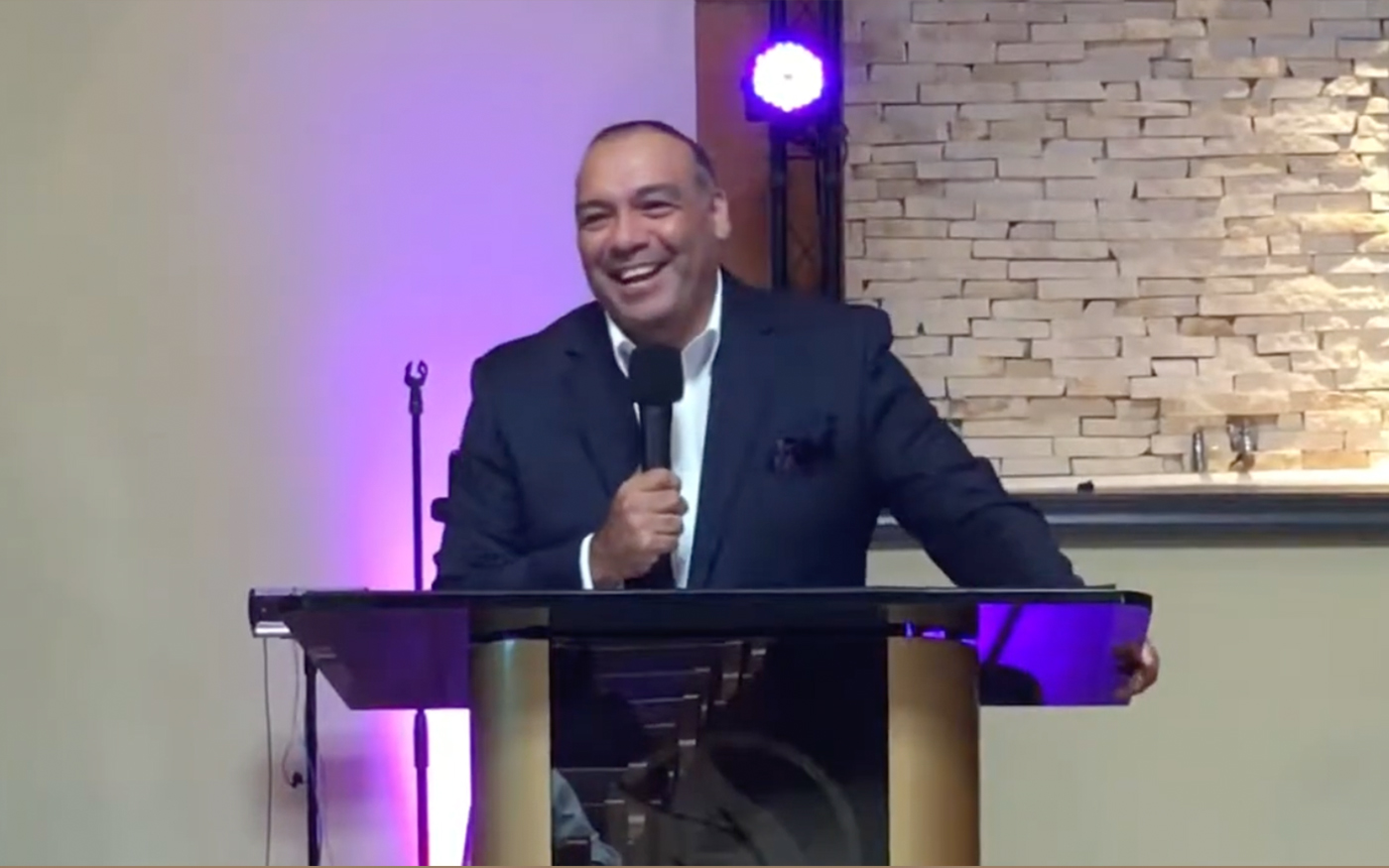
Jay Alfaro, superintendent of the TLHN, says that the network’s longstanding emphasis on church planting continues to define a substantial portion of its identity. While many congregations are not considered large in size, Alfaro says their health and multiplication mindset have spearheaded dozens of new plants.
“Our churches didn’t wait until they became large or had a certain amount of money to plant,” he says. “They simply stepped forward in faith, and many of those churches are now planting others.”
Network pastors and leaders are witnessing a significant demographic shift in the TLHN as well, particularly by way of young ministers. Melissa Alfaro, Jay’s wife and national director of the Assemblies of God Network of Women Ministers, notes that the intentional outreach to the “under-40” crowd in recent years has transformed participation levels in this age category.
“We have seen nearly double the attendance of our under-40s group across district events” says Melissa, who also serves as the AG executive presbyter representing ordained female ministers. “Jay’s intentional focus on next-generation ministry has reshaped our network’s models and reinforced the understanding that reaching children and youth ultimately allows us to reach entire families.”
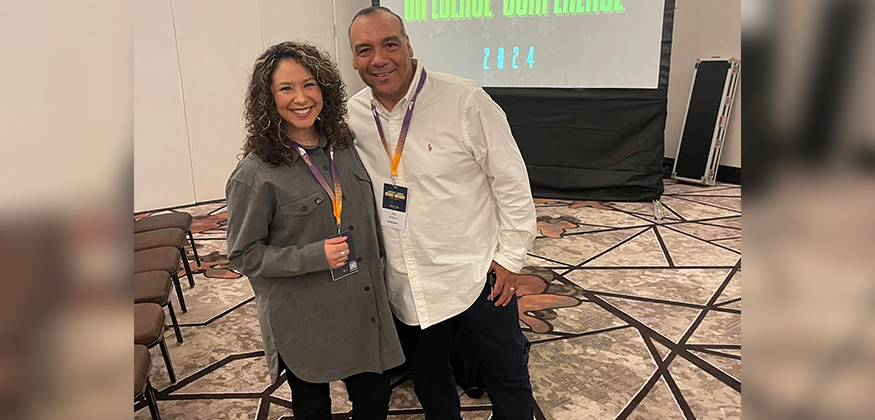
This generational emphasis has also influenced several other changes within the network. Jay Alfaro reports that network events now include childcare and nursery ministry for young families to utilize, making things such as the TLHN District Council more accessible. Additionally, leadership development initiatives, such as the network-specific Influence Conference held prior to their network conference, provide environments to energize new leaders and refuel seasoned ministers.
“By the time District Council begins, leaders are spiritually refreshed, connected, and ready to engage,” says Melissa.
Building an intentional culture of leadership has been a priority for Jay, who also serves as co-pastor of El Tabernaculo Assembly of God, since his election in 2024.
Melissa says that during Jay's first presbytery meeting, he conducted a comprehensive orientation for all presbyters, regardless of their years of service, to affirm the network’s values and encourage the use of consistent and deliberate communication of those values when working with their area churches and pastors. These meetings quickly became more than conducting business
— they became a time of vision development.
The network’s core values are Bible engagement, passion for the lost, healthy relationships, and empowering leaders – things that are all expressed through a commitment to serving the local church. These values have shaped both the network’s strategy for resourcing leaders and record-breaking trends in measurable outcomes.
For example, the TLHN experienced network-best years in Speed the Light (STL) and Boys and Girls Missionary Challenge (BGMC) giving. Network leaders such as BGMC Director Lucy Carballo, Girls Ministries Director Rocio Carballo, and Network Youth Director Amanda Gomez have played significant roles in promoting missions and helping churches catch the vision of missions as an intergenerational investment.
A strong emphasis on ministerial health has also emerged as a defining value. Recently, network gatherings have featured mental health ministry leaders from within the Fellowship, as well as Christian counselors who provide opportunities for direct counseling during network events. This initiative aims to ensure that pastors and leaders within the TLHN remain healthy and strong as they serve their congregations and communities.
Another new initiative has been the implementation of mentoring systems across the network. The THLN launched mentoring cohorts that pair seasoned ministers with those who have recently stepped into ministry. Reports praising the program have flooded Jay Alfaro’s inbox, including messages from veteran ministers who report “reverse mentoring” from younger generations that have strengthened their own leadership.
This mentorship model, heavily focused on listening and learning from one another, was something that Alfaro was purposeful about doing himself before implementing. Upon being elected superintendent, he completed a “listening tour” across the network. This tour consisted of meetings with pastors and leaders in informal settings to listen to their challenges, strengths, and day-to-day ministry realities. Insights gained through these conversations helped to construct the framework for the network’s strategic focus.
Today, the Texas Louisiana Hispanic Network continues to thrive and is developing a culture that champions church planting, emphasizes next-generation leadership, and leads through collaboration with one another.
“We want every church and minister to know that we are on the same team,” Jay says. “When we are intentional about investing in our area leaders, they naturally are more equipped to invest in their local pastors, and those pastors are empowered to better serve their churches.”