House of God’s Love: Transformational Ministry Expanding in Hawaii
After nearly a decade of transformation for women and their children, both inside and out, The Shelter is adding a second site—Hale Aloha O Ke Akua—the Hawaiian language phrase for House of God’s Love.
This campus in Waianae, 26 miles northwest of the church, is on a 3-acre former basil farm where the ministry will place 35 new domes for single moms and their children. The property will also include transitional housing for unhoused kapuna—women over 55 who are able to work. Its Call of Hope Gala on August 23 aims to raise funds to continue on its original location and to begin construction in Waianae.
Additionally, on 47.5 undeveloped acres in Makaha recently donated to the program, the ministry plans to build a community center for services to those in need on the Waianae coast.
The Shelter will now be able to expand its mission and continue transforming the lives of Hawaii’s underserved populations.
“The mission of The Shelter is transformation of hearts, not just providing a roof over one’s head,” says Daniel Kaneshiro, executive director. “It’s only with this fundamental change that a person becomes aligned with God’s divine purpose in their lives, to be a conduit to spread the gospel while also addressing the practical needs of housing.”
Asha Autele is one such transformed heart, and she credits The Shelter for freeing her from a poverty mindset and so much more.
Autele grew up in a toxic stew of poverty, domestic violence, and in-home substance abuse. In her late teens that chaos ramped up when she became addicted to crystal meth.
When Autele’s family kicked her out, she abandoned her three small children and ended up living in a dangerous tent camp behind a shopping center with dozens of other unhoused individuals. Autele, who described herself as “a thief, suicidal and lost,” began her six-year plunge into chronic housing instability and even deeper despair.
But her mom’s friend, Kristy Sacatropez, had herself once been without hope until she found The Shelter. Sacatropez had been among the ministry’s first resident leaders, and she invited Autele to a Sunday service at First Assembly.
That morning, Jesus transformed Autele’s life.
“For the first time I felt the Holy Spirit. I had so much binding on me from trauma and rejection,” says Autele, 31. “I felt peace and all that weight lift off me. For the first time in my life, I felt free.”
She gave her life to Christ and never took another drink or drug.
At First Assembly Honolulu, she grew in her faith; meanwhile, she found work. Once she moved into her own place, she received custody of one of her children again. But when her landlord raised the rent by four digits, Autele found herself again facing temporary housing displacement.
The Shelter welcomed Autele and her daughter into its transitional housing program.
The Shelter helps its residents spiritually through Bible studies, retreats, discipleship, chapel services and koinonia (fellowship) with First Assembly. It further empowers them with life skills such as boundary-setting and personal finance to help build self-sufficiency. After their stay at The Shelter, families can move into permanent affordable housing, able to live productive lives.
“It’s really built upon God’s desire to become a shelter for the shelterless,” says Klayton Ko , AG district superintendent of Hawaii and pastor of First Assembly of God Honolulu. “The Shelter is God’s instrument, fulfilling His desire to bring them into a better life.”
Additionally, the program integrates Hawaiian culture to help the community embrace the program rather than an unwelcome “airdrop or forklifting a solution into the community.” Kaneshiro stresses that any solution to housing instability cannot be imposed from the outside.
Autele is among the 50 who have completed The Shelter program. While embracing faith in Christ isn’t a requirement to take part in the program, participating in the faith-related activities are. That’s why three opted out, but all of those who completed the program gave their lives to Jesus or recommitted to Him.
Ko points out that Shelter families that remained in the area have stayed connected to the church—their new ohana (family and community).
Among them is Autele, whom Kaneshiro says embodies the virtues of the program. A Shelter resident mom helped guide her through the journey of learning to properly mother her children, navigate life issues, and grow in Christ.
“I spent a lot of quiet time with God,” she says. “The Lord was revealing His plan to me.”
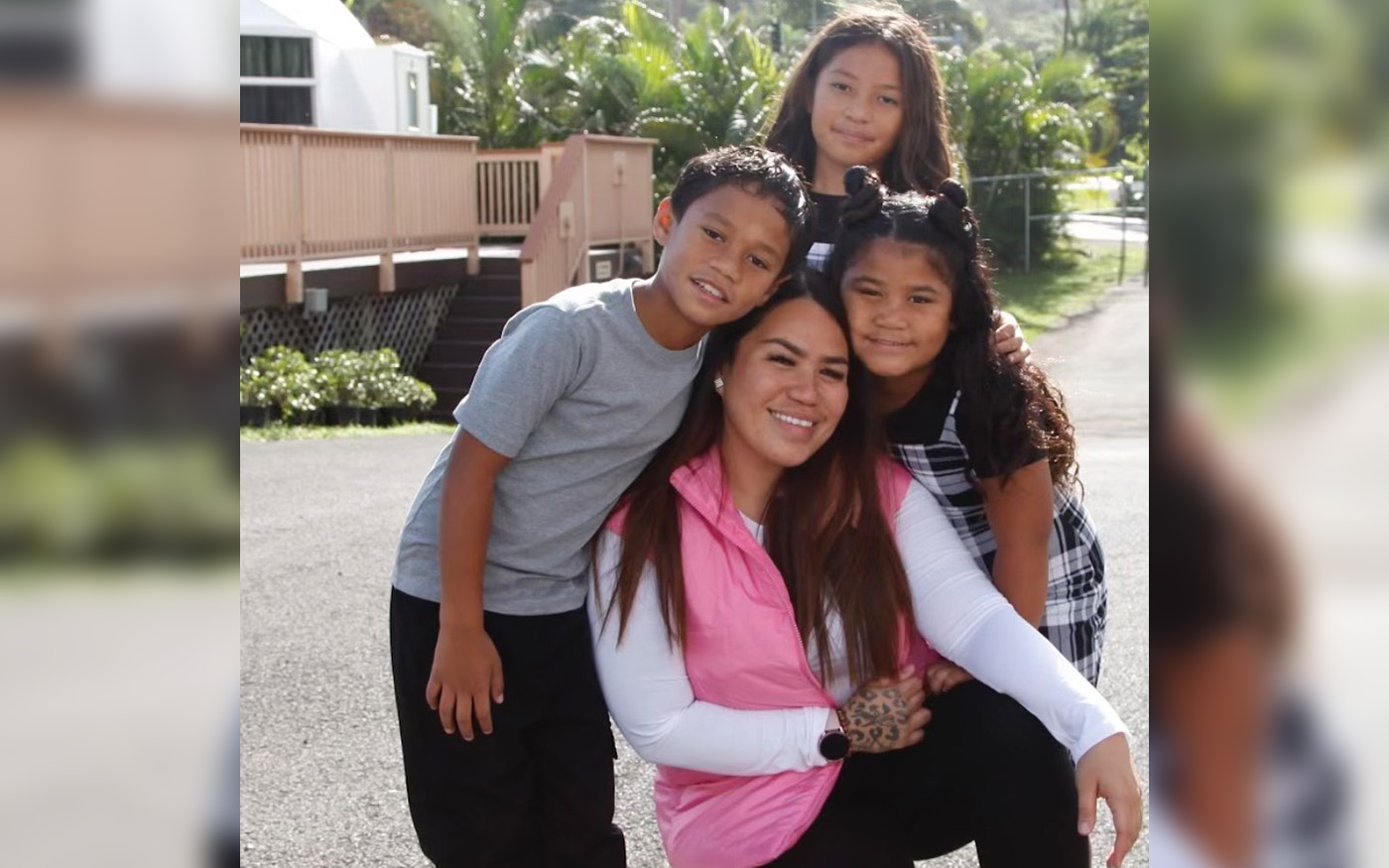
Together, she and her children attended church, grew spiritually, and came to understand the power of a loving Christian community. She also regained custody of all three of her children when they moved from The Shelter to their own apartment.
Each of her kids is now a believer in Jesus—she notes that each has a distinct anointing.
Autele also discovered her own anointing. She attended the Berean School of the Bible, receiving in May her ministerial credentials. Meanwhile, she’s earning a social work degree and leading a microsite in her home community, Waianae.
The group began with five people and a year of prayer. Now the congregation numbers around 50. The goal is to birth a church, which she feels called to pastor.
“We’re seeing mostly youth that come from broken families,” Autele says of that community. “We’re outnumbered by the youth, but we believe that’s the harvest God is bringing in.”